Nancy Leaves Before Dawn
La Jornalera

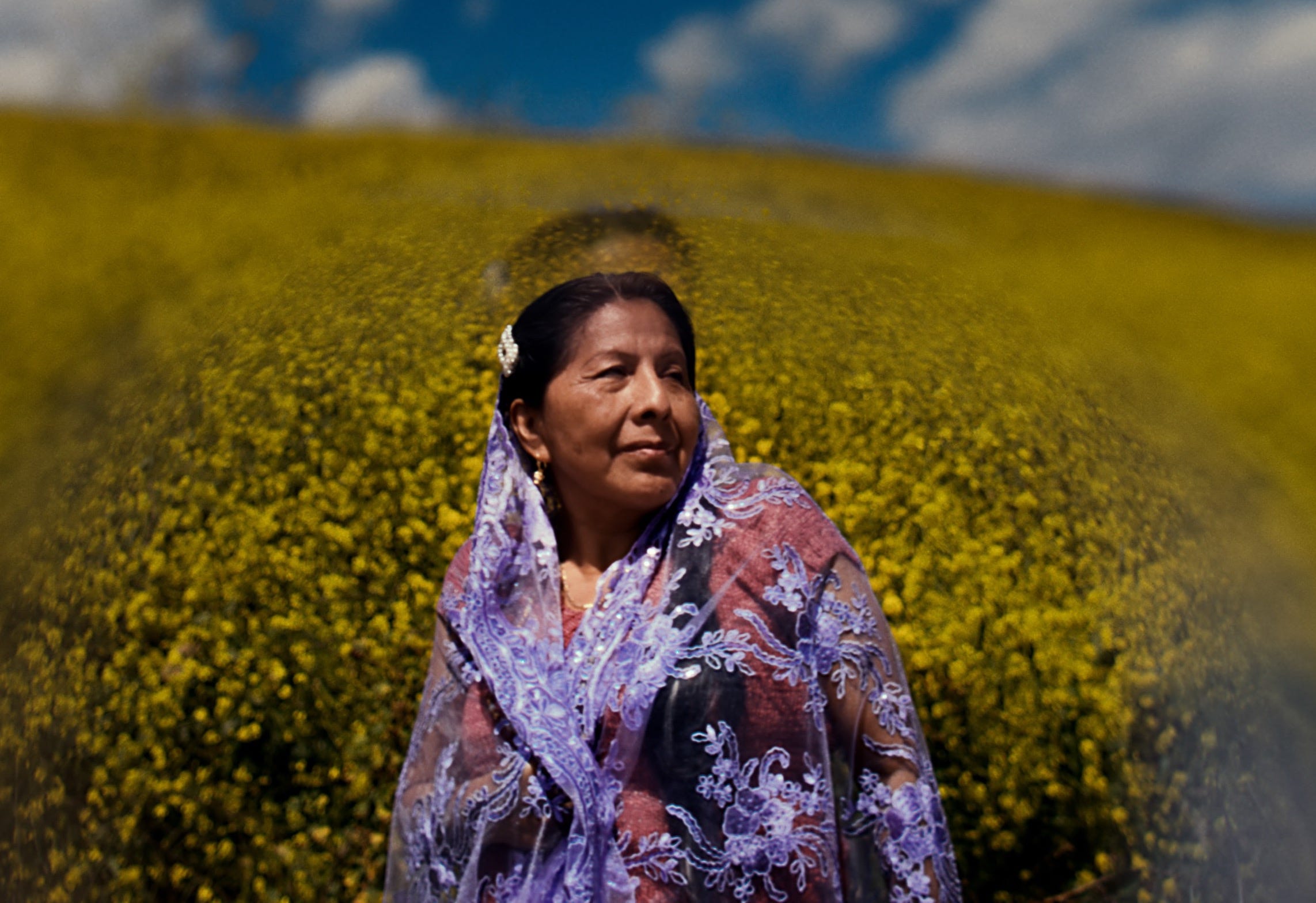
It is still dark when I leave my house. It’s 4:45 in the morning, and in Los Angeles the cold before sunrise cuts straight through your bones. Sometimes I grab a quick cup of coffee. Sometimes there isn’t enough time. I quietly say goodbye to my home, close the door, and step outside carrying the same uncertainty I live with every day: not knowing if I will find work, not knowing how the day will unfold, and not knowing if I will make it back home.
I am 61 years old. I left Oaxaca more than 30 years ago searching for an opportunity. Like many people, I crossed borders because I wanted something simple: a better life, work, and the chance to give my family a life I never had.
Over these three decades I have worked as a nanny, housekeeper and caregiver. I cleaned other people’s homes while dreaming of building a home for my own children. I washed dishes, mopped floors, folded clothes, and picked up toys that did not belong to my children. I watched sunrises on my way to work and sunsets on my way home, exhausted.
I spent years caring for children who were not mine.
And yet, in a way, they also became part of my life.
I held them when they cried, fed them, helped them learn to walk, speak, do homework, and get back up when they fell. I taught them words in Spanish. I taught them to share, respect others, and be grateful. Many of them grew up before my eyes.
Sometimes I think there is an entire generation of employers’ children who also grew up with the love and labor of migrant women like me.
But while I was raising other people’s children, I was also raising my own children from a distance.
And that hurts.
Because nobody teaches you how to be a mother from far away. Nobody prepares you for missing birthdays, school performances, illnesses, or important moments. Nobody tells you what it feels like to hear your children’s voices over the phone and pretend you are okay so they will not worry.
But I kept working.
I kept going because I had a goal.
That goal was for my children to get an education.
I wanted them to have opportunities I never had. I wanted them not to carry the same fears. I wanted them not to spend their lives simply surviving day by day.
And we did it.
My children went to college. Each found their own path. When I think about that, I feel proud. I think about all the days I never rested. All the back pain. All the tears I kept to myself. All the times I worked while sick because there was no other choice.
And I think:
It was worth it.
But the story does not end there.
Sometimes I feel like these last few years have been like surviving three different storms.
Three difficult times.
First came the pandemic.
Then came the fires.
And now, the fear and persecution surrounding immigration raids.
During the pandemic, I was afraid of getting sick. But like many day laborers, staying home was never really an option. We still had to go out and earn a living. Rent does not wait. Food does not wait.
Then came the fires.
I lost three jobs because the three homes I cleaned burned down.
I live alone. I am my only source of support. Losing those jobs affected me deeply, both emotionally and financially. Overnight, uncertainty entered many parts of my life.
But something else happened too.
At the Pasadena Job Center, I found more than support. I found companions in struggle.
During the fires, I volunteered helping clean streets and support members of my community. Helping others made me feel useful. It reminded me that even when everything feels like it is falling apart, we still have each other.
Then came this third moment.
The fear of raids.
The fear of leaving for work and not coming back.
Because today, at 61 years old, I am still working.
I do not have a pension.
I do not have paid vacation.
I do not have sick days.
I do not have retirement waiting for me.
There is no letter arriving in my mailbox saying:
“Thank you for your years of work. Now rest.”
For migrant workers like us, retirement often does not exist.
And now there is another fear walking beside us every day.
Because when I leave my house, I also know I may run into ICE.
I know I could be detained.
I know I could be locked up.
I know I could be separated from everything I have built over more than three decades.
And I cannot help but think about the irony.
During the first two crises, workers like us were called heroes. Essential workers.
We kept cities running while others stayed home.
But now, suddenly, there are people who want to see us as criminals.
The irony of life is that during two moments I was called a hero.
And now, in this third moment, some want to call me a criminal.
A victim of a system, maybe.
A criminal?
Never.
But this story is not only mine.
It is the story of millions.
The story of women and men who leave before dawn and return home long after exhaustion has set in. People who keep entire cities running by cleaning, building, cooking, caring, and working in silence.
And still, we continue.
Because we also know something no one has ever taken from us.
We know how to resist.
We know how to care for one another.
We know how to rise again and again.
And as long as I continue leaving before dawn, I will continue walking with fear, yes.
But also with hope.
Because I have learned something over these thirty years:
Fear walks beside us.
But so does our love for our people and the strength of a community that never stops rising.
Nancy is an immigrant worker from Oaxaca, Mexico.