Cosmetic fixes vs Real solutions
By Juan Mendoza

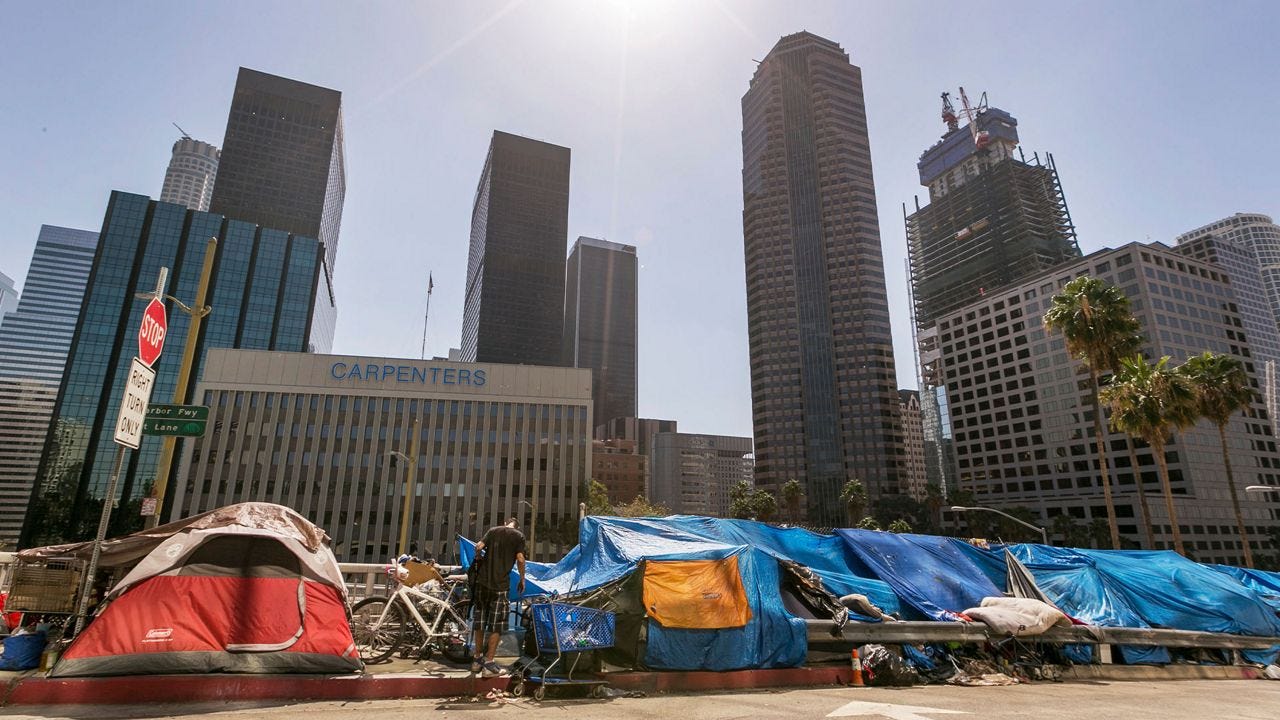
In a few months, Los Angeles will host one of the biggest events in global sports—the 2026 FIFA World Cup—an occasion eagerly awaited by football fans worldwide. However, this event has been built on the efforts of displaced individuals and vulnerable workers, whose futures in Los Angeles seem increasingly uncertain as the mega-event approaches.
The World Cup is to begin on June 12, at SoFi Stadium in Inglewood. The event will include eight matches over 39 days, featuring fan zones, festivals, and community engagements concentrated on tourism corridors. Olvera Street and the Los Angeles Memorial Coliseum will serve as venues for public celebrations, along with other locations.
As the city prepares to welcome the world, heavy police presence and cleanup efforts are underway around the main venues.
Removing encampments and cleanup efforts lead to harassment, criminalization, and displacement of unhoused people, including daily workers. These actions hide the true difficult situation Los Angeles faces from international visitors.
The city and county of Los Angeles are considering moving unhoused individuals away to temporary shelters, without providing sustainable long-term housing solutions. This method merely conceals the region’s chronic housing crisis rather than effectively addressing it.
Los Angeles has a voluntary citywide program called “Inside Safe” that relocates people from encampments to motels, hotels, and temporary housing. The initiative works alongside housing, mental health care, and addiction support, providing the opportunity for transition to permanent housing. The program has helped reduce street homelessness by 17.5%, according to the Mayor’s Office.
In a recent study published in the journal Frontiers in Sports and Active Living titled “Sports Mega-Events and Displacement of Host Community Residents: A Systemic Review,” by Claudio M. Rocha and Zixuan Xiao, the authors explore the connection between hosting sports mega-events and displacing residents of the host community. Their findings indicate that residents, especially those who are poor and homeless, face either direct forced evictions or indirect displacement.
In Los Angeles, this situation will become clear as homeless families and individuals are displaced from areas near tourist attractions or fan zones, along with their fear of losing their limited possessions.
Enhanced police activity and security measures will be enforced during the games and fan-fest days. For unhoused individuals and day laborers, this means more frequent stops, identification checks, warrant verifications, citations, and potential arrests for minor infractions.
Street vendors could face tickets or detention, and low-wage event workers will work long hours, experience wage theft, and face unsafe working conditions. Areas where day laborers wait for jobs, informal vending spots, and underpasses used for shelter might suddenly see increased enforcement, justified as a matter of public safety.
“People who are unsheltered should not be criminalized for their status or displaced as part of so-called beautification efforts. FIFA and host cities have a responsibility to ensure that hosting communities benefit from this event, and that the most vulnerable residents do not bear the greatest cost,” said Jennifer Li, coordinator of Dignity 2026 and director of the Center for Community Health Innovation at Georgetown Law.
Human Rights Watch and labor unions issued a statement urging the FIFA committee and host city authorities to show respect and accountability toward the residents and communities hosting the event. It is crucial to establish strong protections for workers’ rights to ensure that workers and local communities benefit from these large-scale events.
“Workers, athletes, fans, and communities make the World Cup possible,” said Andrea Florence, executive director of the Sport and Rights Alliance. “The 2026 World Cup is the first to begin with human rights criteria embedded in the bidding process. But the deteriorating human rights situation in the United States has put those commitments at risk.”